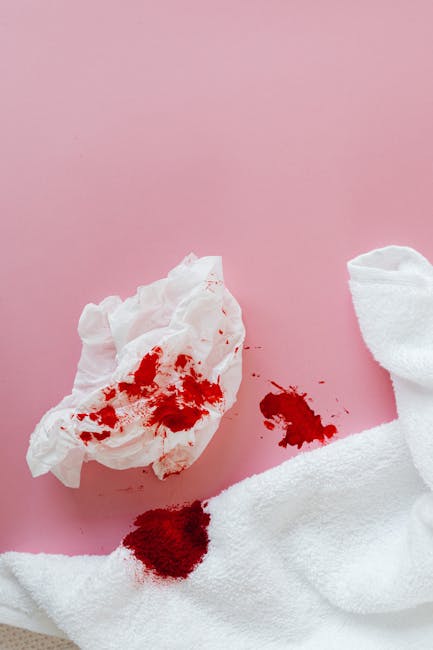
Emergency stain and spill cleaning Hampstead urgent response
If a drink has just gone over the carpet, a pan of sauce has splashed across the kitchen floor, or muddy water has tracked through the hallway, the first few minutes matter. Emergency stain and spill cleaning Hampstead urgent response is about acting quickly, using the right method, and stopping a small accident from becoming a permanent mark. In a place like Hampstead, where homes, flats, offices and short-let properties often have a mix of hard flooring, rugs, upholstery and fitted carpets, one wrong move can make the clean-up harder than the spill itself.
This guide explains what urgent spill cleaning involves, when to call in help, what to do immediately, and how to avoid the classic mistakes that set stains in for good. You will also find a practical checklist, a comparison of methods, and a realistic example from day-to-day life. Nothing fluffy. Just useful guidance you can actually use when the pressure is on.
Contents
- Why emergency stain and spill cleaning matters
- How urgent response cleaning works
- Key benefits and practical advantages
- Who this is for and when it makes sense
- Step-by-step guidance
- Expert tips for better results
- Common mistakes to avoid
- Tools, resources and recommendations
- Law, compliance, standards and best practice
- Options, methods and comparison table
- Case study or real-world example
- Practical checklist
- Conclusion
- Frequently asked questions
Why Emergency stain and spill cleaning Hampstead urgent response Matters
Spills look harmless at first. A splash of coffee. A glass of red wine. A patch of paint, bleach, cooking oil, or pet mess. Then a few minutes pass, the liquid starts to wick into fibres or grout, and suddenly you are dealing with discolouration, odour, texture damage, and maybe even a slip risk. That is the real reason urgent response cleaning matters: it protects the surface before the stain binds deeply.
In many Hampstead properties, materials are mixed and quite unforgiving. Wool carpets, natural rugs, linen upholstery, engineered wood, stone, tile, laminate, and painted skirting all react differently. A method that works on one may ruin another. To be fair, that is where people often get caught out. They grab the nearest cloth, scrub too hard, and end up spreading the stain wider or grinding it into the pile.
Emergency cleaning also matters because some spills are not just cosmetic. Water leaking from appliances, tea on electrics, or bodily fluids in shared spaces can create hygiene and safety concerns. In commercial environments, the issue is even sharper: a visible spill in an office, shop, communal area or rental property can affect safety, reputation and day-to-day use very quickly.
Key takeaway: the faster the response, the better the chance of saving the surface. The trick is not just speed, but calm, correct action.
How Emergency stain and spill cleaning Hampstead urgent response Works
Urgent response cleaning is usually a simple process on the surface, but the detail matters. First comes assessment: what spilled, where it landed, and what the material is made from. Then comes containment, blotting, targeted treatment, extraction or neutralising, and final drying. The right approach depends on the stain type and the surface, not just the clock.
Here is the basic logic. Water-based spills, such as juice or tea, often respond to absorbent blotting and mild cleaning solution. Greasy spills need a degreasing approach. Protein-based messes, like food, milk or bodily fluids, need care because heat can make them set. Ink, dye, paint and cosmetics can be trickier still. Some will shift with the right solution; some need specialist treatment and patience.
Professional urgent cleaning often uses a structured, low-risk sequence rather than guesswork. That can include:
- identifying the fibre or surface
- testing a small hidden area first
- lifting loose material without pushing it deeper
- using controlled moisture, not soaking
- extracting residue to prevent a ring mark
- speeding up drying to limit wicking and odour
One of the nicest things about proper urgent cleaning is that it does not pretend every stain is easy. Some marks are stubborn. Some are partly permanent. A good cleaner will say that plainly instead of promising miracles. That honesty saves everyone time.
Key Benefits and Practical Advantages
People usually call for emergency stain and spill cleaning because they need the mess gone quickly, but the benefits go beyond appearances. A fast, sensible response can preserve the value of the room and reduce knock-on problems later.
- Less permanent staining: quick action often prevents deeper penetration into fibres, grout lines or porous surfaces.
- Reduced odour: spilled milk, food, drink or pet accidents can smell far worse once they dry in.
- Better hygiene: particularly important for food spills, bathrooms, communal spaces and rental turnovers.
- Lower risk of surface damage: over-wetting, scrubbing, or using the wrong chemical can damage carpet backing, upholstery fabric or finishes.
- Less disruption: a prompt clean-up means the room can usually be used again sooner.
- Stronger presentation: this matters for landlords, tenants, letting agents, office managers and hosts dealing with guests.
There is also a quieter benefit: peace of mind. Spills tend to create a rush of annoyance. A clear plan helps cut through that. You stop guessing. You know what to do next.
Who This Is For and When It Makes Sense
This service is useful for a surprisingly wide range of situations. Not every spill needs emergency attendance, of course, but some do. The question is whether delay will increase the risk of staining, odour, damage or complaint.
You may need urgent response cleaning if you are:
- a homeowner dealing with a fresh spill on carpet, sofa, rug or mattress
- a tenant trying to prevent deductions or disputes at the end of a tenancy
- a landlord or letting agent preparing a property between occupiers
- a short-let host who needs a room guest-ready quickly
- an office manager dealing with a spill in a reception, meeting room or kitchen area
- a shop, clinic, salon or commercial premises owner who needs safe floors and presentable surfaces
- someone renovating after accidental splashes from paint, filler, adhesive or dust-heavy work
It also makes sense when the stain has a history of getting worse, not better. Red wine, curry, coffee, tea, oil, ink and pet accidents are the usual suspects. If a spill has already been scrubbed and still looks worse, that is another sign to stop and reassess rather than keep attacking it.
And yes, sometimes the urgent part is emotional. A new rug, a favourite armchair, a freshly cleaned hall carpet - and then, bang, something spills. It happens. More often than people admit, actually.
Step-by-Step Guidance
If you are handling the first moments yourself, keep it methodical. The aim is to reduce damage before you decide whether deeper cleaning is needed.
- Stop the spread. Keep people away from the area, especially if the spill is on a floor or staircase. If it is slippery, treat it as a safety issue first.
- Blot, do not rub. Use clean white cloths or paper towels and press gently from the outside in. Rubbing can grind pigment deeper into the surface.
- Lift solids carefully. If there is food, mud or debris, remove the loose material first with a spoon or blunt edge. Do not smear it around.
- Use the right amount of moisture. A little controlled cleaning solution is better than soaking the area. Too much water can spread the stain and leave a tide mark.
- Test in a hidden spot. This is especially important for upholstery, wool, dyed fabrics and delicate rugs.
- Treat the stain type. A greasy stain, a tannin stain and an ink stain all need different handling. One-size-fits-all methods tend to disappoint.
- Extract or rinse residue. Leftover detergent can attract dirt later, so the area should be properly rinsed or extracted where suitable.
- Dry thoroughly. Open windows if practical, use airflow, and avoid walking on the area until dry.
If the spill is on a carpet or upholstered item, the surface may look better after the first pass and then a shadow appears later. That is wicking: stain residue rises back up as the material dries. It is frustrating, and very common. Proper extraction and drying reduce the chance of that happening.
Expert Tips for Better Results
Here are the small things that make a big difference. They sound simple, but they save a lot of trouble.
- Use white cloths rather than coloured towels. It avoids accidental dye transfer. A very ordinary tip, but surprisingly easy to overlook in a hurry.
- Work from the edge inward. This keeps the stain from spreading outward into a bigger patch.
- Keep the cleaning action gentle. A light press is usually better than force. Your enthusiasm can become the problem, frankly.
- Act fast on porous materials. Carpets, rugs, mattresses and unfinished wood absorb quickly.
- Understand when heat is risky. Hot water or steam can set some stains, especially protein-based ones and some dyes.
- Dry the underlay where needed. A surface can look fine while moisture remains below, which may lead to smell or re-soiling later.
- Take care with delicate fibres. Wool, silk and mixed natural fabrics need extra caution. If in doubt, stop and get advice.
If you are dealing with a property turnaround, it can help to pair urgent spill treatment with broader upkeep. For example, after a kitchen accident, a property may also benefit from deep cleaning, especially if there is grease, food splatter or odour lingering in adjacent areas. In homes with carpets in high-traffic spaces, a follow-up carpet cleaning can be the sensible next step after the immediate spill is controlled.
Common Mistakes to Avoid
Most bad stain outcomes do not come from the spill itself. They come from the response. The good news? That part is fixable. Usually.
- Scrubbing aggressively. This can fray fibres, spread the mark, and drive the stain deeper.
- Using too much water. Over-wetting can push residue into the backing or subfloor.
- Applying random household products. Bleach, vinegar, washing-up liquid and carpet sprays all behave differently. Sometimes they help, sometimes they make things messy in a new way.
- Skipping a test patch. A small hidden test is boring, but worth it.
- Using heat too soon. This can set some stains and make them much harder to remove.
- Leaving residue behind. Sticky cleaner residue can attract dirt and create a darker patch later.
- Walking on the area before it is dry. That can transfer the stain and make footprints or smears.
Another common mistake is trying to solve everything with one wipe and then giving up. Some spills need several careful passes. That does not mean failure. It just means the material is doing what materials do.
Tools, Resources and Recommendations
For an urgent spill, you do not need a cupboard full of specialist products. You need the right basics and a calm order of operations. A sensible kit keeps you from making rushed decisions.
Useful tools to keep nearby:
- white microfibre cloths or absorbent paper towels
- a small spoon or blunt scraper for solids
- clean lukewarm water in a spray bottle or bowl
- a mild, fabric-safe cleaning solution
- a dry towel for final blotting
- fans or natural airflow to help drying
- disposable gloves for hygienic clean-up when needed
Useful recommendations:
- Keep emergency cloths in the kitchen and utility area, not buried in a drawer somewhere awkward.
- Label any cleaning products clearly so there is no guessing in the moment.
- For properties that host guests or see frequent traffic, consider a planned maintenance schedule alongside regular cleaning or one-off cleaning to keep surfaces in better condition overall.
- If the spill is on a sofa, armchair, ottoman or headboard, look at upholstery cleaning rather than treating the fabric as though it were a hard floor. Different job, different rules.
- For wool or patterned rugs, rug cleaning is often the safer route after immediate blotting has been done.
- Mattress spills should be treated quickly because moisture can linger. If in doubt, professional mattress cleaning is the sensible follow-up.
Law, Compliance, Standards and Best Practice
Emergency spill cleaning is not usually a heavily regulated service in itself, but good practice still matters. In the UK, employers and property managers have general duties around safety, hygiene and keeping walkways free from avoidable hazards. In plain English: if a spill makes a floor slippery, it should be dealt with quickly and sensibly.
For commercial premises, communal areas and rental properties, best practice typically includes prompt isolation of the area, safe warning to occupants where needed, and proper drying before normal use resumes. Cleaning teams should also use products and methods appropriate to the surface and the risk level. That is where experience counts. Not every product suits every material, and not every stain should be treated the same way.
Insurance and access to the property can also matter. If you are arranging help for a high-value item, a business space or a rental turnover, it is wise to use a provider whose approach to risk is transparent. If you want reassurance on that side of things, the company's insurance and safety information and health and safety policy are worth reviewing. For broader service terms, terms and conditions and payment and security pages help set clear expectations.
There is also a quieter compliance point around waste and sustainability. If a spill generates contaminated cloths, paper towels or packaging, responsible disposal matters. In properties that prioritise greener routines, recycling and sustainability guidance can help shape a more careful process.
Options, Methods and Comparison Table
There is more than one way to deal with a spill, and the right option depends on what happened, how much time has passed, and what the surface can tolerate. Here is a simple comparison.
| Method | Best for | Strengths | Limits |
|---|---|---|---|
| Immediate blotting | Fresh liquid spills on carpet, fabric or hard floors | Fast, low-risk, often prevents deeper penetration | May not fully remove staining on its own |
| Mild spot treatment | Tea, coffee, food, light grease, general household marks | Useful for controlled stain lifting | Wrong product can damage fibres or finishes |
| Extraction cleaning | Carpets, rugs, some upholstery, mattress surfaces | Removes residue and moisture more thoroughly | Not suitable for every fabric or finish |
| Specialist stain treatment | Ink, dye, cosmetics, paint, protein-based messes | Better chance of addressing stubborn or unusual marks | May need professional assessment and repeat work |
| Full deep clean after the emergency response | Heavy use rooms, rental changeovers, commercial spaces | Improves appearance and hygiene across the whole area | Not always needed for a small isolated spill |
In many real-world situations, the smartest plan is not "pick one method and hope." It is "do the immediate response well, then choose the next step based on the material and remaining mark." That small change in thinking saves a lot of mistakes.
Case Study or Real-World Example
Picture this: it is late afternoon, maybe just after 6pm, and someone in a Hampstead flat knocks over a mug of tea onto a light carpet in the living room. The tea lands close to the sofa, so the first instinct is to grab the nearest towel and scrub. Luckily, they stop after a few seconds and blot instead. They move the towel outward to inward, keep the area damp but not soaked, and avoid rubbing the pile flat.
At first the stain looks lighter, then a faint ring appears as the carpet dries. That is the moment people often panic. In this sort of situation, a proper urgent response focuses on residue removal and drying control, not more force. The surface may need a follow-up carpet treatment, especially if the tea was milky or the carpet is a pale wool blend. If upholstery or a rug is affected too, the approach changes again. One room, three materials, three different responses. Easy to underestimate, hard to ignore once you have seen it.
What made the difference in this example was not a miracle product. It was timing, restraint and choosing the right method for the fibre. Nothing dramatic. Just good judgement, which is underrated if we're honest.
Practical Checklist
Use this checklist when a spill happens and you need to think clearly, quickly.
- Identify what spilled: liquid, grease, food, ink, paint, bodily fluid, cleaning product or mixed mess.
- Check what surface is affected: carpet, rug, upholstery, mattress, tile, wood, laminate or worktop.
- Stop foot traffic and make the area safe.
- Blot gently with a clean white cloth.
- Remove loose solids without rubbing.
- Avoid over-wetting the area.
- Test any cleaner on a hidden patch first.
- Use the mildest effective method.
- Rinse or extract residue where suitable.
- Dry the area fully and monitor for reappearing marks.
- Escalate to specialist help if the stain is spreading, odorous, or on a delicate surface.
Quick decision tip: if you are unsure whether the item is delicate, valuable, or lightly colour-fast, treat it as delicate. That cautious instinct usually pays off.
If the spill has left a broader mess across the property, or you are preparing for guests, an inspection or move-out, it may be worth combining urgent cleaning with move-out cleaning, move-in cleaning, or end of tenancy cleaning depending on the situation. For workspaces, office cleaning or commercial cleaning can support a tidy, safe finish after the immediate spill is handled.
Get a free quote today and see how much you can save.
Conclusion
Emergency stain and spill cleaning in Hampstead is not just about removing a mark. It is about stopping damage early, protecting the surface, and restoring calm when a small accident has suddenly become the thing everyone is staring at. The right response is usually quiet, careful and practical: blot first, avoid panic, use the right method, and know when the job needs specialist attention.
If you take one thing from this guide, let it be this: speed helps, but control helps more. That little bit of discipline makes the difference between a tidy recovery and a stain that lingers for weeks.
And honestly, that calm next step is often the best feeling of all.
Frequently Asked Questions
What should I do first after a spill on carpet?
Start by blotting the spill gently with a clean white cloth or paper towel. Keep pressure light, work from the outside in, and avoid rubbing. Then assess whether the stain is water-based, greasy, or something more stubborn before using any cleaner.
Can I use washing-up liquid on a stain?
Sometimes, but only very carefully and usually in a diluted form. Too much soap can leave residue that attracts dirt later. On delicate fabrics or valuable carpets, it is safer to test a small hidden area first or get advice before using anything at all.
Why does the stain come back after it looks removed?
That is often caused by wicking, where moisture and residue rise back to the surface as the material dries. It is common with carpets and upholstery. Proper extraction and controlled drying help reduce the chance of it returning.
Are red wine and coffee stains treated the same way?
Not exactly. Both are common tannin-based spills, but fabric type, drying time and any earlier cleaning attempts change the method. Tea and coffee on wool, for example, can behave differently from the same spill on a synthetic carpet.
When should I call a professional instead of trying it myself?
If the stain is large, already drying in, on a delicate or expensive material, or involves bodily fluids, strong dyes, paint, or odour, professional help makes sense. It also makes sense if you have already tried cleaning and the mark is spreading or setting.
Can urgent spill cleaning help before a tenancy check-out?
Yes. Quick spill treatment can prevent a small accident from turning into a bigger issue during check-out or inventory inspection. If the problem is broader than one patch, pairing it with end of tenancy cleaning can be a practical move.
Is steam always a good idea for stains?
No. Heat can set certain stains, especially protein-based messes and some dyes. Steam can also be too aggressive for certain upholstery and rugs. It is better to match the method to the spill rather than assume heat will fix everything.
What if the spill is on a sofa or armchair?
Treat upholstery carefully. Blot first, keep moisture controlled, and avoid soaking the fabric or cushion filling. If the item is special, patterned or lightly coloured, upholstery-specific treatment is safer than a generic approach.
How fast does urgent response cleaning need to happen?
As fast as possible, ideally within minutes for absorbent surfaces. The longer a spill sits, the more it can penetrate fibres, settle into grout, or leave an odour. Even a quick, careful blotting session can make a real difference.
Will a cleaner always remove the stain completely?
Not always. Some stains are partly permanent depending on the material, the substance spilled, and how long it has been there. A good cleaner should be honest about likely outcomes rather than promising a perfect result every time.
What surfaces are most at risk from spills?
Carpets, rugs, upholstery, mattresses and porous stone or grout are usually the most vulnerable because they absorb quickly. Natural fibres and light colours tend to show marks more easily, though any surface can be damaged by the wrong product or too much moisture.
Is there anything I should never do?
Yes: do not scrub hard, do not pour random chemicals onto the stain, and do not use heat too early. Those three habits cause a surprising amount of avoidable damage. If you are unsure, slow down and keep the response simple.
Can emergency cleaning also help with odour?
Often, yes. Odour usually comes from residue left behind in the surface or underlayer. Proper extraction, neutral treatment and drying can help remove the cause rather than just masking the smell. That is especially important for food spills and pet accidents.
How do I know if the spill has gone into the underlay?
If the area feels damp for a long time, smells musty, or the stain expands as it dries, the spill may have reached deeper layers. In that case, surface blotting alone will not be enough and a more thorough treatment may be needed.
What is the best next step if I need help quickly?
Gather the key details: what spilled, when it happened, what the surface is, and whether the area is still wet. That makes it easier to get the right help fast. If you are ready to arrange assistance, use the site's contact options and ask for urgent stain or spill support.