Carpet Cleaning: A Practical, SEO-Friendly Approach to Cleaner, Healthier Floors
Why Carpet Cleaning Matters for Every Home and Business
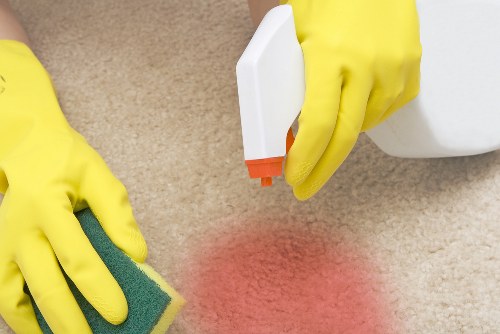
Carpet cleaning is one of those tasks that often gets delayed until stains become impossible to ignore or odors start to linger. Yet regular carpet cleaning does far more than improve appearance. It helps preserve fibers, reduce allergens, remove trapped dirt, and create a fresher indoor environment. Whether you manage a busy household, an office, or a rental property, investing in carpet cleaning can make a visible difference in comfort and cleanliness.
Many people think vacuuming is enough, but vacuuming only removes surface debris. Deep carpet cleaning reaches embedded particles, oils, and residues that build up over time. This matters because carpets act like large filters, collecting dust, pollen, pet dander, food particles, and everyday grime. Over time, those contaminants can affect air quality and the overall look of the flooring.
Professional carpet cleaning and routine maintenance also extend the life of your flooring. When dirt and grit stay in carpet fibers, they can cause abrasion that wears the material down faster. A thoughtful cleaning routine protects your investment, keeps the space looking polished, and makes it easier to maintain a welcoming atmosphere.
Understanding the Basics of Carpet Cleaning
Carpet cleaning is not a one-size-fits-all process. Different carpet materials, pile heights, and levels of soil require different approaches. Some carpets respond best to hot water extraction, while others do better with low-moisture or dry carpet cleaning methods. Choosing the right method is important because it affects drying time, stain removal, and the long-term condition of the carpet.
At its core, carpet cleaning is about removing dirt, oils, allergens, and spots without damaging the fibers or backing. The process usually starts with inspection, followed by vacuuming, pre-treatment, agitation, cleaning, and drying. In many cases, a final grooming step helps the carpet dry more evenly and restores a neat finish.
Good carpet cleaning is both preventive and corrective. Preventive care keeps carpets from becoming heavily soiled, while corrective cleaning addresses stains, spills, and odors that have already settled in. A balanced strategy combines both so that flooring stays attractive and functional for longer.
Common Carpet Cleaning Methods Explained
Homeowners and businesses often ask which carpet cleaning method is best. The answer depends on the carpet type, the amount of soil, and how quickly the area needs to be back in use. Below are the most widely used methods and what makes each one useful.
- Hot water extraction: Often called steam cleaning, this method uses heated water and cleaning solution to loosen dirt before extracting it with powerful suction.
- Dry carpet cleaning: Uses minimal moisture and specialized compounds, making it a good choice for spaces that need fast drying.
- Bonnet cleaning: Common in commercial settings, this method cleans the surface layer of carpet fibers with a rotating pad.
- Encapsulation cleaning: A low-moisture method that traps soil in polymer crystals for easier removal during vacuuming.
Hot water extraction is often preferred for deep carpet cleaning because it can remove more embedded debris. However, low-moisture options are valuable when fast turnaround is important. The best results come from matching the method to the carpet’s condition rather than using the same process every time.
Choosing the right carpet cleaning method can improve results, reduce drying time, and protect delicate fibers. For heavily trafficked areas, a professional evaluation can help determine which approach will deliver the best balance of cleanliness and durability.
How Often Should You Schedule Carpet Cleaning?

The ideal carpet cleaning schedule depends on use, foot traffic, pets, children, and the type of environment. A quiet bedroom may need less frequent attention than a hallway, family room, or office lobby. For most homes, deep carpet cleaning every 6 to 12 months is a smart starting point. In busy households or spaces with pets, more frequent service may be necessary.
Commercial properties often need carpet cleaning on a tighter schedule because traffic is higher and soils accumulate more quickly. Offices, retail spaces, and hospitality settings benefit from routine maintenance that keeps carpets presentable and extends their usable life. A consistent plan also helps reduce the appearance of wear patterns and high-traffic lanes.
Signs your carpet may need cleaning sooner than planned include visible traffic marks, lingering odors, dull color, and stains that keep reappearing. If your vacuuming routine no longer makes the carpet look fresh, it may be time for a deeper treatment.
Households with pets, allergies, or frequent spills may benefit from a more proactive carpet cleaning schedule. The key is to treat the carpet before contaminants become deeply embedded and harder to remove.
Stain Removal and Spot Treatment Tips

Stain removal is one of the biggest reasons people search for carpet cleaning solutions. Spills happen quickly, and the way you handle the first few minutes can affect whether the spot disappears or becomes permanent. The best rule is to act quickly, but gently. Blotting is usually better than scrubbing because scrubbing can push the stain deeper and damage the fibers.
Different stains require different treatment. Food spills, coffee, wine, pet accidents, ink, and grease each behave differently on carpet fibers. A cleaner that works on one stain may not work on another, so it helps to know the basics of spot treatment. If you are unsure, testing a small hidden area first is a smart precaution.
Here are a few practical stain-handling principles that support better carpet cleaning results:
- Blot from the outside of the stain inward to avoid spreading it.
- Use a clean white cloth to reduce the chance of color transfer.
- Avoid oversaturating the carpet with water or solution.
- Rinse gently after treatment to prevent residue buildup.
Fast action and the right approach can make stain removal much easier. For stubborn spots, professional carpet cleaning services often have specialized tools and solutions that can improve the outcome without harming the carpet.
Benefits of Professional Carpet Cleaning
Why Expert Care Often Outperforms DIY Methods
DIY carpet cleaning has its place, but professional carpet cleaning offers several advantages that are difficult to match with rented equipment or household products. Professionals bring stronger extraction power, industry-grade solutions, and experience with different carpet constructions. That combination often leads to deeper cleaning and more consistent results.
One major benefit is improved soil removal. Even when a carpet looks clean on the surface, there may still be fine grit and residue trapped below. Professional-grade carpet cleaning equipment is designed to pull contaminants from deeper in the pile, which helps the carpet look brighter and feel softer underfoot. This can also reduce the dull, flattened look that develops over time in high-traffic areas.
Another benefit is faster drying and reduced risk of mistakes. Excess moisture, incorrect chemical use, and poor rinsing can all create problems such as residue buildup or lingering dampness. Skilled carpet cleaning helps prevent these issues, making the process more efficient and effective overall.
Additional advantages of professional carpet cleaning include:
- Better odor removal from pets, spills, and everyday use
- Improved appearance in both residential and commercial spaces
- Less strain on carpet fibers compared with harsh scrubbing
- Greater convenience and time savings
If your goal is long-lasting freshness and a cleaner indoor environment, professional carpet cleaning is often the most reliable option. Contact us today to keep your carpets looking their best and protect your flooring investment.
DIY Carpet Cleaning: What Works and What to Avoid
Smart Home Maintenance for Better Results
DIY carpet cleaning can be helpful for light refreshes, routine maintenance, and small stains. With the right approach, homeowners can keep carpets in better shape between professional visits. The most effective DIY tasks usually include regular vacuuming, prompt spot treatment, and occasional use of a carpet-safe cleaner.
That said, DIY carpet cleaning has limitations. Store-bought products can leave sticky residue if used incorrectly, and too much moisture can lead to long drying times or even mold growth in severe cases. Some cleaners may also discolor delicate fibers or damage natural materials. For this reason, reading labels and following instructions carefully is essential.
To get more from your home carpet cleaning routine, focus on prevention. Use mats at entrances, remove shoes when possible, and vacuum slowly so the machine has time to pull out dust and debris. These small habits reduce buildup and make deeper carpet cleaning sessions more effective.
Common DIY mistakes to avoid:
- Using too much detergent or cleaning solution
- Scrubbing aggressively at stains
- Skipping the rinse step after spot treatment
- Leaving carpets damp for too long
DIY carpet cleaning works best as maintenance, not as a substitute for deep cleaning when carpets are heavily soiled. When stains are persistent or the carpet needs thorough restoration, professional service is usually the better choice.
How Carpet Cleaning Improves Indoor Air Quality
A Cleaner Carpet Can Mean a Fresher Space
Carpet cleaning is often associated with appearance, but its impact goes beyond looks. Carpets can trap airborne particles such as dust, pollen, pet dander, and other allergens. When the carpet is disturbed by foot traffic or vacuuming, some of those particles can re-enter the air. Regular carpet cleaning helps reduce the amount of buildup, supporting a fresher indoor environment.
This is especially important in homes with people who are sensitive to dust or seasonal allergens. A cleaner carpet can contribute to a more comfortable living space by lowering the amount of loose debris caught in the fibers. While carpet alone does not determine indoor air quality, it is an important part of the overall maintenance picture.
For the best results, pair carpet cleaning with other indoor care habits such as frequent dusting, good ventilation, and HVAC filter maintenance. Together, these steps help create a more pleasant and healthy environment.
Regular carpet cleaning is a practical way to support cleaner air, better comfort, and a more polished interior. It is one of the simplest ways to make a noticeable difference in how a room feels day to day.
Carpet Cleaning for Homes, Offices, and Commercial Spaces
Different Settings, Different Priorities
Not every space needs the same carpet cleaning strategy. Homes often prioritize comfort, stain removal, and allergy reduction, while offices focus on appearance, durability, and minimal interruption. Commercial properties, on the other hand, may need a more structured maintenance plan to handle traffic, branding, and operational needs.
In residential settings, carpet cleaning often centers on family life. Pet hair, food spills, toys, and heavy foot traffic around living areas can make carpets look older than they are. Routine cleaning helps keep the home welcoming and reduces the visual impact of everyday messes.
In commercial environments, appearance matters because carpets contribute to the first impression visitors receive. Clean flooring signals professionalism and attention to detail. Well-maintained carpets also help reduce wear in busy areas and may lower long-term replacement costs.
Commercial carpet cleaning often involves:
- After-hours scheduling for minimal disruption
- High-traffic maintenance plans
- Spot treatments for recurring stains
- Low-moisture options for faster reopening
Whether for a home or business, carpet cleaning should be planned around actual usage rather than a generic schedule. The right routine keeps flooring presentable, comfortable, and easier to care for over time.
Eco-Friendly Carpet Cleaning Options
Cleaner Results with Less Environmental Impact
Many people now look for carpet cleaning solutions that are effective and environmentally responsible. Eco-friendly carpet cleaning methods often use biodegradable products, reduced water consumption, and low-VOC solutions that are gentler on indoor air quality. These options can be especially appealing for households with children, pets, or sensitivities.
Low-moisture carpet cleaning methods are often considered more eco-conscious because they use less water and can shorten drying time. In addition, choosing targeted spot treatments rather than overusing chemicals can help reduce waste while still producing strong results. The goal is not to avoid cleaning power, but to use it more efficiently.
If sustainability matters to you, ask about product composition, water usage, and equipment efficiency before scheduling service. A well-planned carpet cleaning approach can support both cleanliness and responsible resource use.
Eco-friendly carpet cleaning can be a smart choice for modern homes and businesses that want performance without unnecessary harshness. It proves that effective cleaning and thoughtful environmental choices can work together.
What to Expect During a Professional Carpet Cleaning Appointment
A Simple Breakdown of the Process
Many customers feel more confident about carpet cleaning when they know what to expect. While the exact process may vary, most professional appointments follow a similar structure. The technician typically starts by inspecting the carpet and identifying stains, wear patterns, and fiber type. This helps determine the best cleaning method and any special pre-treatment needs.
After inspection, the carpet is usually vacuumed to remove loose debris. Pre-spray or spot treatments are then applied to problem areas so soil can loosen before the main cleaning begins. The chosen carpet cleaning method is then used to wash and extract dirt from the fibers.
At the end of the appointment, the carpet may be groomed to improve appearance and drying consistency. Depending on the method used, drying time can range from a few hours to longer. Good airflow, open windows, and proper ventilation can all help speed things along.
Typical steps in a professional visit:
- Inspection and fiber assessment
- Vacuuming and debris removal
- Pre-treatment of stains and heavy soil
- Deep carpet cleaning and extraction
- Post-cleaning grooming and drying support
A clear process makes carpet cleaning feel less stressful and more predictable. Knowing the steps also helps you prepare the room and get better results from the service.
How to Keep Carpets Cleaner Between Services
Simple Habits That Make a Big Difference
Keeping carpets cleaner between service visits is easier than many people think. A few steady habits can reduce soil buildup and help preserve the results of professional carpet cleaning. The most important one is vacuuming regularly, especially in high-traffic areas. Slow, methodical passes are more effective than quick, rushed cleaning.
Another helpful habit is responding to spills immediately. The longer a spill sits, the more likely it is to bond with the fibers. Keeping a simple spot-cleaning kit nearby can make it easier to act quickly. Door mats, area rugs, and shoe-free policies can also reduce how much dirt gets ground into the carpet in the first place.
Small, consistent actions support better carpet cleaning results over time. They also help reduce the frequency of deep cleaning needed to keep floors looking their best.
Here are a few prevention tips that work well in most spaces:
- Vacuum high-traffic areas several times a week
- Rotate furniture occasionally to prevent wear patterns
- Use protectors under furniture legs
- Address spills and pet accidents right away
Choosing the Right Carpet Cleaning Service
What to Look for Before You Book
When selecting a carpet cleaning provider, it helps to look beyond price alone. Experience, method selection, equipment quality, and attention to carpet type all matter. A reliable provider should be able to explain how their carpet cleaning process works and why it suits your specific needs.
It is also useful to ask whether the service includes pre-treatment, stain focus, deodorizing, or low-moisture options. These details can affect the final result and the overall value of the appointment. If a provider takes time to evaluate your carpet rather than offering a generic package, that is usually a positive sign.
The best carpet cleaning service is one that balances effectiveness, care, and professionalism. That combination helps ensure your flooring is cleaned properly without unnecessary wear or risk.
Before booking, consider these questions:
- What cleaning method will be used?
- How long will drying take?
- Are stain treatments included?
- Is the process safe for pets and children?
Book your service now if your carpets are due for a refresh, and enjoy a cleaner, more inviting space sooner rather than later.
Final Thoughts on Carpet Cleaning
Fresh Floors Support a Better Space
Carpet cleaning is more than a cosmetic task. It helps protect flooring, improve indoor comfort, support cleaner air, and maintain a welcoming environment in both homes and workplaces. Whether you prefer a low-moisture approach, a deep hot water extraction service, or a mix of routine DIY care and periodic professional cleaning, the most important thing is consistency.
When carpets are cared for regularly, they last longer and look better. Stains are easier to manage, odors are less likely to linger, and the space feels more polished overall. A proactive approach to carpet cleaning also saves time and money by reducing the need for premature replacement.
If you want your floors to look fresher, feel cleaner, and support a healthier indoor environment, regular carpet cleaning is a smart place to start. Contact us today and take the next step toward carpets that are cleaner, brighter, and more comfortable for everyday life.