Communal Area Cleaning: Creating Safer, Cleaner, and More Welcoming Shared Spaces
Communal area cleaning is one of the most important services for maintaining shared environments that feel safe, attractive, and comfortable every day. Whether the space is a residential block, apartment complex, office building, mixed-use property, student accommodation, or commercial estate, clean shared areas leave a lasting impression on residents, tenants, visitors, and staff. When communal area cleaning is done properly, it supports hygiene, protects surfaces, reduces complaints, and contributes to a better quality of life for everyone using the property.
In busy buildings, dirt builds up quickly. Foot traffic brings in dust and debris, hand contact spreads germs, and spills can lead to stains or slips if they are not addressed promptly. That is why communal area cleaning needs a consistent routine, the right cleaning methods, and attention to detail. From lobby cleaning and stairwell maintenance to lift sanitising and corridor cleaning, every part of a shared property benefits from a structured cleaning plan.
Good communal area cleaning is not just about appearances. It helps prevent deterioration, supports compliance with hygiene expectations, and makes a building feel cared for. For landlords, property managers, housing associations, and facilities teams, a well-maintained cleaning schedule can improve tenant satisfaction and reduce long-term maintenance costs. For residents and users, it means cleaner touchpoints, fresher air, and a more pleasant communal environment.
Why Communal Area Cleaning Matters
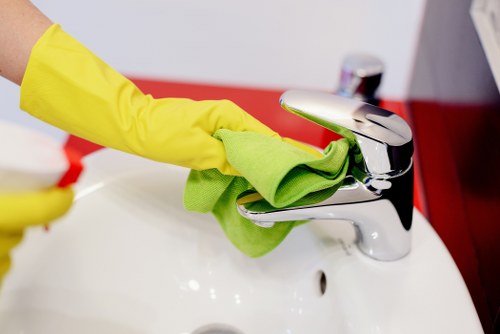
Communal area cleaning matters because shared spaces are exposed to frequent use and repeated contact. Unlike private rooms, these areas serve many people throughout the day. That makes them more vulnerable to dirt, bacteria, spills, grime, and general wear. Regular communal area cleaning helps manage these issues before they become bigger problems.
In apartment buildings and residential complexes, residents expect common spaces to be tidy and sanitary. A clean entrance hall, polished hallway, and fresh-smelling staircase create a positive first impression and reflect well on the property as a whole. In commercial settings, the same principle applies: clients and staff notice cleanliness immediately, and that can influence how they perceive the business.
There are also practical reasons to prioritise communal area cleaning. Dust and debris can damage floors, carpet fibres, and skirting boards over time. Moisture left untreated can create slippery surfaces or encourage mould growth. Regular cleaning reduces these risks and protects the value of the property. Well-planned shared space cleaning is therefore both a hygiene measure and a maintenance strategy.
Common Risks in Shared Areas
Shared areas face several recurring risks that make routine cleaning essential:
- High foot traffic that spreads dirt quickly
- Frequent contact with doors, handrails, buttons, and switches
- Spills and dropped rubbish in halls and stairwells
- Odours from bins, food waste, or damp areas
- Accumulation of dust in corners, vents, and ledges
Each of these risks can reduce comfort and create avoidable maintenance issues. A reliable communal area cleaning routine helps keep these problems under control before they affect the whole building.
Professional communal area cleaning services are especially useful where multiple occupants depend on the same space. By keeping the environment orderly and hygienic, property managers can protect resident wellbeing and preserve the overall reputation of the building.
What Communal Area Cleaning Typically Includes

Communal area cleaning can be tailored to suit different properties, but most service plans include a core set of tasks. These often cover all the high-traffic zones people use daily, ensuring the main shared spaces stay clean, presentable, and safe. The exact service may vary depending on the building layout, usage patterns, and cleaning frequency required.
Typical communal area cleaning tasks include lobby cleaning, corridor cleaning, stairwell cleaning, lift cleaning, entrance mat vacuuming, dusting surfaces, bin management, and floor care. In some properties, cleaners may also handle noticeboards, glass panels, internal windows, skirting boards, and touchpoint sanitisation. The aim is to support the whole building, not just a single visible area.
A thorough approach to shared space cleaning often covers both visible and less obvious areas. The most effective cleaning services pay attention to details that occupants notice every day, such as fingerprints on door frames, smudges on glass, or dust on ledges. These small improvements can make communal areas feel brighter and more hygienic overall.
Core Tasks in a Communal Cleaning Schedule
- Vacuuming carpets and entrance mats
- Sweeping and mopping hard floors
- Cleaning stair rails, bannisters, and hand contact points
- Sanitising lift buttons and control panels
- Emptying bins and replacing liners
- Removing marks from walls and doors
- Dusting shelves, ledges, and skirting
- Polishing glass and mirrored surfaces
These tasks form the backbone of effective communal area cleaning and can be adjusted to suit the property’s needs. The cleaner the environment, the more inviting it is for everyone who uses it.
For buildings with higher occupancy, more frequent cleaning may be needed to keep standards consistent. In such cases, a mix of daily, weekly, and periodic cleaning tasks often works best.
Benefits of Professional Communal Area Cleaning
Professional communal area cleaning brings a wide range of benefits that go beyond appearance. One of the biggest advantages is reliability. When cleaning is handled by trained professionals, the property can maintain a consistent standard rather than relying on occasional or informal cleaning efforts. Consistency matters in busy buildings where cleanliness can change quickly.
Another important benefit is hygiene. Shared spaces can carry germs and contaminants from many sources, so regular cleaning reduces the spread of bacteria and helps maintain a healthier environment. Professional cleaners also know how to focus on touchpoints and high-risk areas, which is particularly important in entrances, lifts, and stairwells.
There is also a clear financial benefit. Proper communal area cleaning helps preserve flooring, paintwork, fixtures, and fittings. Dirt and grime can wear down surfaces faster if left unchecked. By using the right products and cleaning techniques, professionals can extend the life of materials and reduce repair or replacement costs over time.
Key Advantages at a Glance
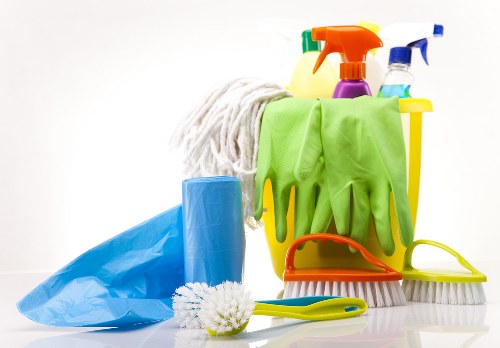
- Improved hygiene and reduced germ spread
- Better first impressions for visitors and residents
- Longer-lasting floors, carpets, and fixtures
- Lower risk of slips, stains, and build-up
- More consistent presentation across the property
- Less pressure on residents or staff to manage shared areas
In many cases, professional communal area cleaning also helps reduce conflict. When common spaces are left untidy, people can become frustrated and blame others for the mess. A clear cleaning schedule creates accountability and helps everyone enjoy the shared environment more fairly.
For landlords and facilities managers, investing in regular communal area cleaning is a practical way to support tenant satisfaction and maintain professional standards. It sends a strong message that the building is managed with care.
Choosing the Right Cleaning Frequency
The best communal area cleaning schedule depends on how the space is used. A small residential building with limited foot traffic will usually need less frequent attention than a busy apartment block, office complex, or mixed-use development. The right cleaning frequency should reflect the building’s size, occupancy, and daily activity.
Daily cleaning is often ideal for entrance areas, corridors, and lifts in busy properties. These spaces are used repeatedly and can quickly show marks, dust, and litter. Weekly cleaning may be enough for quieter communal areas, while deep cleaning can be scheduled monthly or quarterly for areas that need more intensive attention.
When deciding on a cleaning plan, it helps to consider seasonal changes too. Rain, mud, snow, and pollen can all affect the condition of shared spaces. In wetter months, entrance mat maintenance and floor cleaning may need to be increased to reduce slip risks and keep the property looking tidy. Flexible communal area cleaning works best because it adapts to real-world conditions rather than following a fixed routine that may no longer suit the space.
Factors That Affect Cleaning Frequency
- Number of residents, visitors, or employees
- Building layout and size
- Presence of carpets or hard flooring
- Weather exposure at entrances
- Use of lifts, shared amenities, or mail areas
- History of litter, spills, or odour issues
By matching the cleaning schedule to the building’s needs, property managers can achieve better results and avoid both under-cleaning and unnecessary over-servicing.
Why a Tailored Plan Works Best
A tailored plan ensures cleaning resources go where they are needed most. For example, a building with heavy hallway traffic may benefit from more frequent vacuuming, while a property with hard floors may need regular mopping and buffing. Tailored communal area cleaning also allows cleaners to focus on high-touch locations and problem areas rather than treating every space the same.
Best Practices for High-Quality Communal Area Cleaning
High-quality communal area cleaning relies on more than just routine work. It requires attention to detail, suitable products, and a clear understanding of the building’s unique needs. The best results usually come from a combination of planning, consistency, and responsive action when issues arise.
One of the most important best practices is using the right equipment for each surface. Hard floors need different care from carpets, glass, stainless steel, or painted walls. A professional cleaner will know how to avoid damage while still achieving a spotless finish. This is especially important in buildings with mixed materials, where a one-size-fits-all method can lead to poor results.
Another best practice is focusing on high-contact areas. Shared handrails, lift buttons, door handles, and light switches should be cleaned and sanitised regularly. These touchpoints are often overlooked in casual cleaning, but they play a major role in keeping communal areas hygienic and user-friendly.
Simple Standards That Make a Big Difference
- Use colour-coded cleaning tools to reduce cross-contamination
- Follow a set route so no area is missed
- Check for spills, litter, and hazards during each visit
- Report maintenance issues such as leaks or broken lights
- Keep a record of completed tasks and cleaning times
These standards help make communal area cleaning more effective and easier to monitor. They also support accountability, which is essential in properties shared by many users.
Communication between cleaners, managers, and residents can also improve results. If a recurring issue is reported early, such as overflowing bins or muddy footprints near an entrance, the cleaning plan can be adjusted before the problem grows.
Communal Area Cleaning for Different Property Types
Not every building needs the same cleaning approach. Communal area cleaning should be adapted to the type of property and the way people use the shared spaces. Residential blocks, office buildings, student accommodation, healthcare facilities, and mixed-use developments all have different hygiene priorities.
In residential properties, cleanliness directly affects daily comfort. Residents use hallways, staircases, and entrance areas multiple times a day, so these spaces need to stay neat and safe. In offices, communal area cleaning supports professionalism and helps create a more productive work environment. In student accommodation, shared spaces often see intense use and may need more frequent cleaning to maintain acceptable standards.
Mixed-use buildings require especially careful planning because they combine different kinds of activity in one place. A retail entrance, apartment hallway, and office lobby may all need different levels of cleaning and different timing. The most effective communal area cleaning services can adapt to each zone without disrupting people using the property.
Examples of Property-Specific Needs
- Residential blocks: stairwells, letterboxes, entrances, and bin stores
- Office buildings: lobbies, lift areas, reception zones, and corridors
- Student housing: heavy-traffic communal kitchens, hallways, and entrances
- Commercial estates: shared access points, wash areas, and walkways
Understanding these differences helps property managers choose the right level of service. A smart communal area cleaning plan improves both hygiene and user satisfaction because it addresses the real demands of the building.
The Role of Deep Cleaning in Shared Spaces
Although regular cleaning keeps daily dirt under control, deep cleaning is still an important part of communal area maintenance. It tackles the buildup that standard cleaning may not remove, such as embedded grime, stubborn marks, and hidden dust in corners or edges. Deep cleaning is especially useful for carpeted hallways, tiled floors, and areas that receive heavy use throughout the year.
Deep cleaning can include machine scrubbing, detailed skirting cleaning, pressure washing of certain external areas, or specialist treatment for stubborn stains. When paired with routine communal area cleaning, it helps maintain a higher overall standard and supports the long-term appearance of the property.
How to Keep Communal Spaces Looking Better for Longer
Keeping communal spaces in good condition is easier when cleaning is supported by smart habits and simple preventative measures. A strong communal area cleaning routine should work alongside practical steps that reduce mess in the first place. This makes the property easier to maintain and helps cleaning teams deliver better outcomes.
Entrance mats are one of the most effective tools for reducing indoor dirt. They capture debris and moisture before it spreads through the building, which means less cleaning and less wear on flooring. Similarly, waste bins should be emptied regularly to avoid odours and overflows. In some properties, signage can also help remind people to keep shared areas tidy.
Property managers can also encourage better upkeep by ensuring lighting is maintained, repairs are completed quickly, and any spills or hazards are reported promptly. Cleaners work best when the environment supports their efforts. In this way, communal area cleaning becomes part of a broader property care strategy rather than an isolated task.
Practical Tips for Maintaining Shared Areas
- Use durable, easy-to-clean materials where possible
- Install effective matting at entrances
- Check bins before they overflow
- Repair damaged fixtures quickly
- Respond quickly to spills and wet floors
- Schedule regular inspections of shared spaces
Small improvements like these can significantly reduce cleaning pressure and help communal areas remain tidy for longer. When supported by reliable communal area cleaning, they create a cleaner and more pleasant environment for everyone.
Book your service now if you want your shared spaces to remain cleaner, safer, and more professionally maintained throughout the year.
What to Look for in a Communal Area Cleaning Service
Choosing the right provider for communal area cleaning is important because quality can vary widely. A good service should be reliable, adaptable, and able to deliver a consistent standard across all shared areas. Property managers should look for a team that understands the demands of communal buildings and can work around access requirements, occupancy patterns, and safety expectations.
Experience matters because communal area cleaning often involves more than basic dusting and vacuuming. The provider should know how to clean a range of surfaces, manage high-contact points, and spot issues before they become larger problems. They should also be able to create a cleaning plan that fits the property rather than offering a generic package with limited flexibility.
It is also worth considering accountability and communication. Clear schedules, task lists, and routine checks help ensure standards stay high. A service that records completed work and responds quickly to changing needs will usually provide a much better experience over time. Reliable communal area cleaning is built on consistency, transparency, and attention to detail.
Questions to Ask Before Choosing a Provider
- What areas are included in the standard cleaning schedule?
- How often will communal spaces be cleaned?
- Do they offer flexible service plans?
- What products and methods are used on different surfaces?
- How are quality checks handled?
- Can the plan be adapted for seasonal or occupancy changes?
Asking these questions helps ensure the chosen service can meet the building’s real needs. The right provider will view communal area cleaning as a tailored service, not a one-size-fits-all job.
Communal Area Cleaning and Resident Satisfaction
Clean shared areas have a direct influence on how residents and occupants feel about their environment. When corridors smell fresh, floors look cared for, and touchpoints are clean, people are more likely to feel positive about where they live or work. That sense of comfort matters, especially in large buildings where shared space quality can shape day-to-day experience.
For housing providers and property managers, this means communal area cleaning can support retention, reduce complaints, and improve the overall perception of the building. A tidy, well-maintained property suggests professionalism and care, which can strengthen long-term relationships with occupants.
Conclusion: A Cleaner Shared Environment Starts with the Right Routine
Communal area cleaning is essential for any property with shared spaces. It improves hygiene, supports safety, protects surfaces, and creates a more welcoming environment for everyone who uses the building. From staircases and lobbies to corridors and lift areas, every part of a communal property benefits from regular attention and professional care.
With the right schedule, the right tools, and the right team, communal area cleaning can transform the way a property looks and feels. It becomes easier to manage daily mess, maintain standards, and prevent long-term wear. Most importantly, it helps create a space where residents, visitors, staff, and tenants can feel comfortable and confident every day.
If you want to improve the condition of your shared spaces, now is the time to act. Contact us today to discuss a tailored communal area cleaning solution, or book your service now to keep your building cleaner, safer, and more presentable all year round.
Clean shared spaces make a powerful difference, and the right communal area cleaning approach ensures that difference is seen and felt throughout the property.