Commercial Cleaning in Modern Workplaces: A Practical Approach to Cleaner, Safer Business Spaces
Why Commercial Cleaning Matters for Every Business
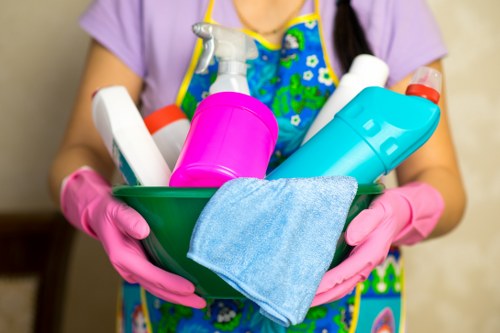
Commercial cleaning plays a central role in how a business looks, feels, and performs. Whether you manage an office, retail store, medical facility, warehouse, or hospitality venue, the condition of your space affects customer perception, employee morale, and day-to-day operations. A clean environment is more than a visual asset; it supports productivity, hygiene, and long-term property care.
For many organizations, commercial cleaning is also a strategic investment. Clean floors, sanitized surfaces, and well-maintained restrooms help reduce sick days, create a professional image, and improve compliance with health and safety standards. When facilities are properly maintained, businesses can focus on serving customers instead of dealing with avoidable cleaning issues.
As workplace expectations evolve, so does the demand for reliable commercial cleaning services. Modern businesses want tailored cleaning plans, eco-friendly solutions, and consistent results. That is why professional cleaning support has become essential in many industries, not just an optional expense.
What Commercial Cleaning Includes
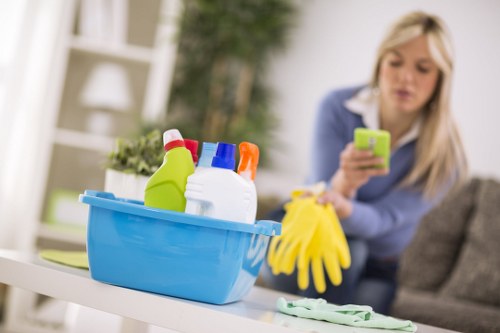
Commercial cleaning refers to a wide range of professional cleaning tasks designed for business environments. Unlike residential cleaning, it is often performed at larger scales, with specialized equipment, trained staff, and industry-specific methods.
Typical commercial cleaning services may include daily dusting, vacuuming, mopping, trash removal, restroom sanitation, kitchen cleaning, glass cleaning, and disinfection of frequently touched surfaces. Depending on the property, the scope may also include deep cleaning, floor care, pressure washing, and post-construction cleanup.
Every business has different needs. A corporate office may require periodic desk sanitization and meeting room cleaning, while a medical practice may need strict infection-control procedures. Retail locations often rely on polished floors and spotless entryways, while industrial sites may need heavy-duty cleaning to remove grime, dust, and debris.
Key Areas Covered in Commercial Cleaning
Professional cleaners typically address a structured set of zones within a facility. These areas often include:
- Reception and lobby spaces
- Workstations and conference rooms
- Restrooms and break rooms
- Stairwells, hallways, and elevators
- Windows, mirrors, and glass partitions
- Floors, carpets, and upholstery
- High-touch surfaces like handles, switches, and railings
Commercial cleaning teams may also focus on specialty areas that require particular care, such as laboratories, commercial kitchens, or fitness centers. In each case, the process is built around cleanliness, consistency, and operational efficiency.
When a building is cleaned thoroughly and regularly, the results are easier to maintain. That is one reason many businesses prefer scheduled service plans instead of reactive cleaning after problems arise.
Benefits of Professional Commercial Cleaning

There are many reasons businesses invest in commercial cleaning, and most benefits extend beyond appearance. A well-cleaned environment supports employees, protects assets, and strengthens brand image. It also reduces the burden on internal teams who may not have the time, tools, or training to clean properly.
Improved workplace health is one of the biggest advantages. Regular sanitization helps limit the spread of germs, especially in shared spaces where people touch the same surfaces throughout the day. Cleaner air, reduced dust, and properly maintained restrooms all contribute to a healthier environment.
Another major benefit is productivity. Employees can work more effectively in an organized, clean space. When clutter and dirt are removed, it is easier to focus, move safely, and maintain professional standards. Commercial cleaning also saves time by reducing disruptions caused by spills, messes, and maintenance issues.
Businesses also gain financial value through asset protection. Carpets, furniture, flooring, and fixtures last longer when they are cleaned correctly and regularly. Over time, this can reduce replacement costs and help preserve the appearance of the property.
How Clean Spaces Influence Customer Perception
First impressions matter in every industry. Customers often notice cleanliness before they notice anything else. A spotless lobby, fresh-smelling restroom, and polished floor send a strong message about professionalism and attention to detail.
In contrast, dusty surfaces, overflowing trash bins, or stained floors can quickly create doubt. Even if the products or services are excellent, a dirty environment may cause customers to question the quality of the business overall. That is why commercial cleaning services play such an important role in brand reputation.
For customer-facing businesses, regular cleaning is not just maintenance; it is part of the experience. Clean environments make people feel welcome, comfortable, and confident in the organization they are visiting.
Types of Commercial Cleaning Services
Commercial cleaning is not a one-size-fits-all service. Different businesses need different solutions depending on their space, industry, traffic levels, and cleaning standards. Understanding the main types of cleaning services can help businesses choose the right plan.
One common option is daily office cleaning, which typically includes light dusting, trash removal, restroom care, and surface wiping. This service is especially useful for busy workplaces where cleanliness must be maintained throughout the week.
Another important category is deep cleaning. This is a more detailed service that targets built-up dirt in less visible areas. Deep cleaning may include baseboards, vents, grout, behind furniture, and hard-to-reach surfaces. Many businesses schedule it monthly, quarterly, or seasonally.
Specialized services are also widely used. These can include carpet cleaning, floor stripping and waxing, window washing, sanitization, and post-event cleanup. Some facilities require industrial cleaning, while others need eco-friendly commercial cleaning methods that minimize harsh chemicals.
Industry-Specific Commercial Cleaning Needs
Different industries have unique cleaning requirements, and professional cleaners must adapt accordingly. Here are a few examples:
- Office buildings: desk areas, shared kitchens, conference rooms, and common restrooms
- Retail stores: floors, fitting rooms, entrances, and display areas
- Medical facilities: disinfection, infection control, and strict sanitation protocols
- Restaurants: kitchen hygiene, grease removal, and dining area cleaning
- Warehouses: dust control, debris removal, and safety-focused floor cleaning
- Schools and childcare centers: germ reduction, restrooms, and high-touch surface sanitation
Because each industry has different expectations, it is important to choose a provider experienced in commercial cleaning for that specific setting. This improves efficiency, compliance, and overall results.
What Makes a Great Commercial Cleaning Plan
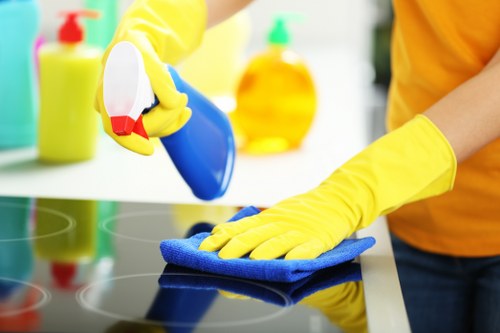
A successful commercial cleaning plan starts with a clear understanding of the facility’s needs. The best plans are customized, consistent, and flexible enough to adapt to changing workloads, seasons, and occupancy levels.
One of the first steps is a site assessment. This allows the cleaning provider to evaluate square footage, traffic patterns, flooring types, restroom usage, and high-risk areas. From there, they can build a schedule that supports both cleanliness and operational convenience.
Frequency matters too. Some businesses need cleaning every day, while others may only need service a few times per week. Areas with heavy foot traffic or higher hygiene demands may need extra attention. A thoughtful commercial cleaning schedule prevents buildup and keeps standards high.
It also helps to define priorities. For example, one company may want a stronger focus on windows and entryways, while another may prioritize disinfecting shared equipment. A customized approach makes the service more effective and cost-efficient.
Important Features to Look for in a Cleaning Plan
When comparing commercial cleaning plans, businesses should look for the following features:
- Clear scope of work and task list
- Flexible scheduling options
- Use of suitable cleaning products and equipment
- Quality control and inspection procedures
- Ability to handle specialty cleaning needs
- Scalable services for business growth
Commercial cleaning works best when the plan is both thorough and practical. The goal is to keep the building clean without interfering with operations.
Businesses should also ensure the service provider can adjust to changing circumstances, such as seasonal foot traffic, special events, or emergency spills. Adaptability is a key part of reliable commercial cleaning services.
Eco-Friendly Commercial Cleaning and Sustainability
As businesses become more environmentally conscious, eco-friendly commercial cleaning has grown in popularity. Many organizations now prefer cleaning methods that reduce waste, limit chemical exposure, and support healthier indoor environments.
Sustainable cleaning may involve biodegradable products, microfiber tools, concentrated solutions, and equipment designed to conserve water and energy. These choices can be especially valuable in offices, schools, healthcare settings, and facilities with high occupancy.
Green cleaning is not only good for the environment; it can also improve employee comfort. Reduced chemical odors and lower exposure to harsh ingredients may create a better atmosphere for staff and visitors alike. For businesses aiming to strengthen their sustainability profile, this approach can align with broader corporate values.
Why Green Cleaning Is Becoming More Popular
There are several reasons the demand for eco-friendly commercial cleaning continues to rise:
- Increased awareness of indoor air quality
- Growing sustainability goals in business operations
- Demand for safer products around staff and customers
- Better cleaning technology and product innovation
- Desire to reduce environmental impact without sacrificing quality
When done correctly, green cleaning can deliver excellent results. It is an effective option for businesses that want a cleaner workplace and a smaller environmental footprint. For many organizations, this balance makes eco-friendly commercial cleaning the preferred long-term solution.
Commercial Cleaning and Workplace Safety
Safety is one of the strongest reasons to prioritize commercial cleaning. Slippery floors, cluttered walkways, dust accumulation, and unsanitary restrooms can all create hazards. Regular maintenance reduces these risks and helps create a safer working environment for everyone.
Professional cleaners are trained to address common safety concerns. They know how to manage wet floors, clean spills promptly, and use appropriate warning signs when necessary. They also understand how to sanitize high-touch areas and reduce contamination risks in shared spaces.
In industries such as healthcare, food service, and manufacturing, safety standards are especially important. Cleaning protocols may need to follow industry regulations and strict sanitation procedures. In these settings, commercial cleaning supports not only appearance but also compliance and operational integrity.
Reducing Workplace Accidents Through Cleanliness
A cleaner workplace is often a safer workplace. Common accidents related to poor housekeeping include:
- Slips and falls from wet or dirty floors
- Trips caused by clutter or misplaced items
- Respiratory irritation from dust and poor air quality
- Cross-contamination from unsanitized surfaces
- Fire hazards from neglected waste or debris
By maintaining regular commercial cleaning services, businesses can reduce these risks and create more predictable, controlled work environments. This is particularly useful in busy facilities where many people move through the space every day.
How to Choose the Right Commercial Cleaning Provider
Selecting the right partner for commercial cleaning requires careful consideration. Businesses should look beyond price and focus on reliability, experience, service quality, and communication. A cleaning provider should understand the unique needs of the property and demonstrate a consistent commitment to excellence.
Start by reviewing the provider’s service range. Some companies focus mainly on office cleaning, while others offer industrial cleaning, deep cleaning, or specialty services. It is important to choose a provider that can support your exact environment and service expectations.
Next, consider training and professionalism. Staff should be properly trained in cleaning techniques, safety procedures, product usage, and facility-specific protocols. Well-trained teams are more likely to deliver consistent results and respect workplace standards.
Finally, look for responsiveness and accountability. A strong commercial cleaning partner should communicate clearly, respond to concerns quickly, and adapt when business needs change. These qualities help ensure long-term satisfaction and dependable service.
Questions to Ask Before Hiring
Before choosing a cleaning provider, it helps to ask a few practical questions:
- What types of commercial cleaning do you specialize in?
- How do you customize cleaning plans for different businesses?
- What products and equipment do you use?
- How do you handle quality checks and follow-up?
- Can you support after-hours or weekend cleaning schedules?
- Do you offer deep cleaning, floor care, and sanitation services?
These questions can help businesses make a more informed choice. The right provider should offer dependable commercial cleaning services that match both budget and performance expectations.
Technology and Innovation in Commercial Cleaning
The cleaning industry has changed significantly in recent years. Modern commercial cleaning often involves advanced tools and technology that improve accuracy, efficiency, and hygiene. From high-filtration vacuums to electrostatic sprayers, innovation is helping companies clean more effectively.
Digital scheduling, quality tracking, and service reporting have also become more common. These systems allow businesses to monitor work completion, identify recurring issues, and maintain better oversight of cleaning operations. The result is more transparency and consistent service delivery.
Automation is another growing trend. In large facilities, some tasks can be supported by robotic floor cleaners or other specialized equipment. While human oversight remains essential, technology can streamline repetitive work and improve overall performance.
The Role of Equipment and Techniques
The quality of commercial cleaning depends heavily on the tools and techniques used. Professional-grade equipment often produces better results than standard household cleaning supplies. For instance, industrial vacuums, buffer machines, and microfiber systems can handle larger spaces and heavier soil loads more effectively.
Technique also matters. Proper cleaning order, correct chemical dilution, and safe sanitation methods all contribute to better outcomes. Skilled cleaners know how to remove dirt without causing damage to surfaces, which is especially important for delicate flooring, electronics, and fixtures.
When businesses invest in professional cleaning, they are also investing in expertise. The combination of training, equipment, and process makes commercial cleaning more effective than casual or inconsistent housekeeping.
Building a Long-Term Commercial Cleaning Strategy
Businesses that treat cleaning as an ongoing strategy tend to see better results than those that respond only when problems appear. A strong long-term approach to commercial cleaning includes regular service, periodic deep cleaning, and ongoing evaluation of needs.
As the workplace changes, the cleaning strategy should change too. Growth, renovation, seasonal shifts, and changes in foot traffic can all affect cleaning priorities. Reviewing the plan regularly helps keep the facility in strong condition year-round.
Consistency is the foundation of a successful cleaning program. When businesses maintain steady standards, it becomes easier to preserve hygiene, reduce wear and tear, and present a polished image to everyone who enters the space.
Commercial cleaning is not just about removing dirt. It is about protecting the workplace, supporting the people inside it, and reinforcing the professionalism of the business itself. If your facility needs a stronger cleaning routine, contact us today to explore a service plan that fits your space and goals. Book your service now and take the next step toward a cleaner, healthier, more productive environment.